
Small molecule drugs have been the backbone of targeted therapies and can bind to a wild range of extracellular and intracellular targets. In comparison to biologic therapeutics, small molecule drugs offer distinct advantages such as low cost, oral bioavailability, greater tissue and tumor exposure and access to intracellular targets. To discover next generation small molecule drugs that have improved therapeutic index, are able to overcome drug resistance and ideal for combination therapies, Zenshine’s technology platform is based on our successful small molecule R&D experience, comprehensive selection of therapeutic targets, rational approach to generate clinical candidates and cost-efficient development of products to lower the overall R&D expense. Our pipeline consists of proprietary small molecule drugs that are potentially to be best-in-class or first-in-class therapies to serve the under-served patients.

Science-centric discovery and development of novel and superior therapies for the treatment of cancer, infectious and inflammatory diseases
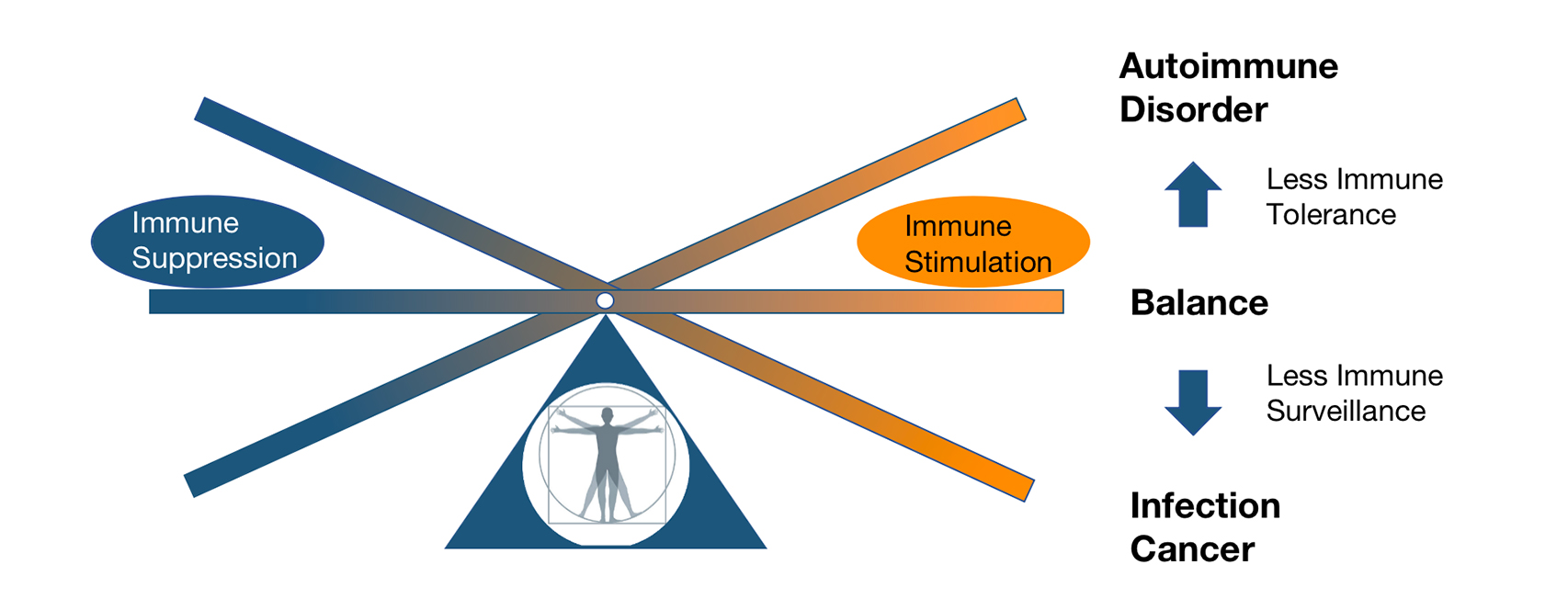
The immune system needs to keep a balance to achieve an effective response and avoid collateral damage. Inflammation and immunity are inherent characteristics of cancer, and the hallmarks of cancer include “avoiding immune destruction” and “tumor promoting inflammation”. Infection or infection-associated chronic inflammation contribute to up to 25% of human cancers. Compounds in our pipeline target crucial biological pathways to treat patients with infectious, inflammatory and cancerous diseases.
This platform leverages synthetic chemistry methodologies, enabling replacing sulfur atom with selenium atom in drug molecules, creating proprietary technology advantages and enabling differentiated drug design strategies through three interconnected mechanisms. First, the C-Se bond (~1.98 Å ) is longer than the C-S bond (~1.82 Å ), potentially enabling more precise complementarity with target protein binding pockets to enhance selectivity and affinity. Selenium atoms are larger and more polarizable than sulfur, enabling stronger dispersion interactions, chalcogen bonding and π-chalcogen interactions with aromatic protein residues (Trp, Tyr, Phe), which enhance binding affinity and target engagement stability. Additionally, selenium substitution for sulfur typically increases molecular lipophilicity, facilitating improved membrane permeability including blood-brain barrier penetration and enhancing oral bioavailability. Second, the C-Se bond exhibits greater resistance to oxidative metabolism by hepatic enzymes such as cytochrome P450 compared to the C-S bond in certain structural contexts, translating to reduced hepatic clearance, extended plasma half-life and potentially lower dosing frequency with more stable plasma concentrations. By blocking sites susceptible to rapid metabolism, selenium substitution redirects drug metabolism through more controlled pathways, improving bioavailability. Our selenium-substitution platform was directly applied to the design of sebaloxavir marboxil, including our Core Product, its tablet formulation, leading to its extended half-life and enhanced exposure. We are currently leveraging this platform to develop two additional preclinical molecules.
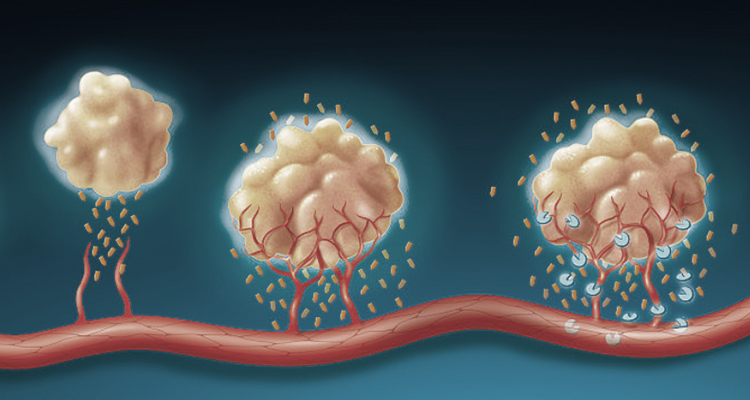
Our humanized immune system platform serves as a translational engine that de-risks our immuno-oncology pipeline. It bridges the critical gap between traditional murine models — which lack a functional human immune system — and human clinical trials. This platform mimics in vivo human tumor-immune interactions and is vital for the preclinical evaluation of novel immunotherapies. By recapitulating the human anti-tumor immune response, the model yields indispensable pharmacodynamic data for validating drug mechanisms, exploring biomarkers and resistance, assessing efficacy and safety and investigating combination strategies. We have developed a proprietary humanized mouse tumor model platform based on PBMC engraftment platform that addresses critical limitations of conventional humanized models for evaluating immuno-oncology therapeutics in preclinical development. Traditional PBMC-humanized models face three significant challenges: low and variable PBMC engraftment rates, a short treatment window of only approximately 11–15 days due to rapid graft-versus-host disease (“GvHD”) onset and poor inter-batch reproducibility even with identical PBMC donors. In contrast, our proprietary immune system reconstruction technology achieves an approximately 95% successful humanization rate, stable and uniform PBMC engraftment averaging 1±0.5% at treatment initiation, an extended 21-day treatment window with steady increase in PBMC engraftment up to 40±15% in average, and consistent PBMC engraftment across batches from the same donor, enabling robust experimental reproducibility. This platform provides critical capabilities for evaluating combination therapy strategies that require both functional human immune systems and specific tumor genetic backgrounds. For example, in assessing ZX-8177 combined with PARP inhibitors, our models incorporate both humanized immunity and homologous recombination repair (“HRR”) gene mutation. This model enables the evaluation of combination efficacy that competitor models cannot adequately assess due to lack of either functional immune systems or relevant genetic mutations, thereby positioning our platform as one of the few platforms domestically and internationally capable of generating reliable preclinical data for such combination strategies. This platform establishes a formidable competitive moat, enabling us to systematically generate high-value, clinically-relevant data that underpin our current pipeline and will fuel the discovery and development of future breakthrough therapies.
We have established a systematic screening framework based on disease pathway analysis and clinical translatability assessment. This allows us to identify innovative targets with critical roles in disease regulatory networks, high druggability and first-mover market potential. Our integrated drug evaluation platform combines internal and external resources. It utilizes in vitro and in vivo PK/PD modeling, early safety prediction systems, disease animal model validation, pharmacodynamic biomarker analysis and clinical feasibility assessment. This enables systematic evaluation of candidate molecules’ pharmacological activity, selectivity, pharmacokinetic properties and safety profiles, significantly enhancing efficiency and success rates from lead compound discovery to preclinical candidate selection. This platform is also supported by our experienced clinical operation team, comprising experienced medical, clinical operations, pharmacovigilance and quality control professionals. This team is capable of managing critical aspects of clinical trials and efficiently advancing early-stage research through clinical translation. Our Core Product, sebaloxavir marboxil tablets, progressed from project initiation to NDA approval in only six years, exemplifying our exceptional translation capabilities.